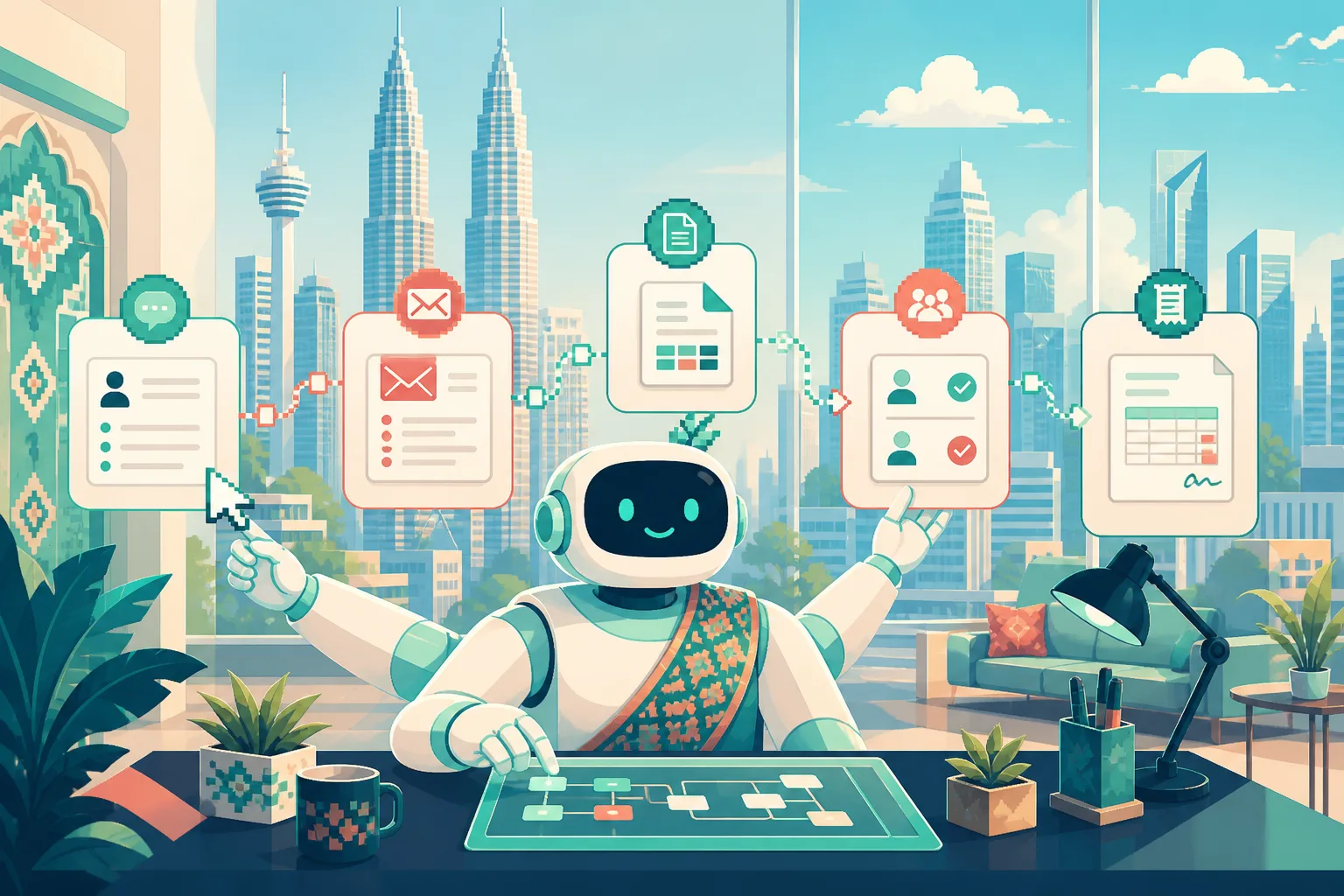
MCP for business: why AI integrations are becoming a platform decision
What the Model Context Protocol changes about connecting AI agents to CRM, documents, calendars and business tools.
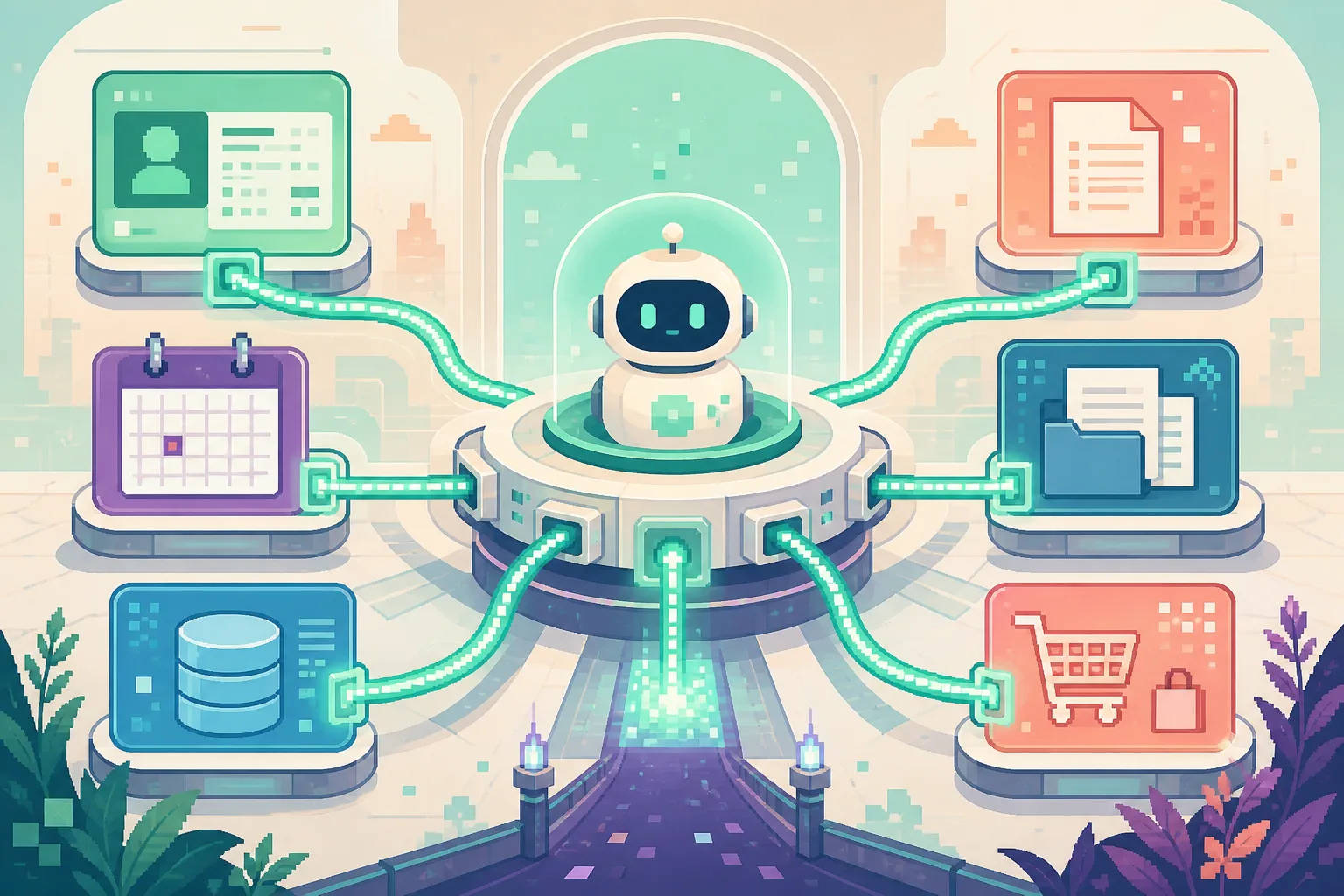
from custom connectors to a common interface
AI applications need context and actions: read a document, query a CRM, create a task or check inventory. Building a unique integration for every model and tool quickly becomes expensive. The Model Context Protocol provides a shared way for applications to expose resources, prompts and tools to compatible AI clients.
Enterprise platforms are adding MCP support because interoperability reduces duplicated connector work. It also creates a new architecture layer that needs ownership.
standardised does not mean automatically safe
An MCP server can expose powerful actions. The business must still authenticate the user and agent, restrict scope, validate inputs and log what happened. Tool descriptions should be precise so the model understands consequences and required fields.
- separate read tools from actions that change state
- require confirmation for money, deletion or external messages
- limit credentials to the smallest necessary scope
- version and test tool contracts
where to start
Choose one internal workflow and list the exact capabilities it needs. An agent preparing a sales briefing may only require account lookup, recent messages and calendar context. It does not need permission to edit invoices or export the entire customer database.
MCP is useful infrastructure, not a business outcome by itself. The value appears when it shortens integration work while preserving governance and a reliable user experience.
sources & further reading
make this practical