Real-time data is the missing layer behind useful AI agents
Why agents need both historical context and current operational state before they can make reliable business decisions.
an answer can be correct and still be too late
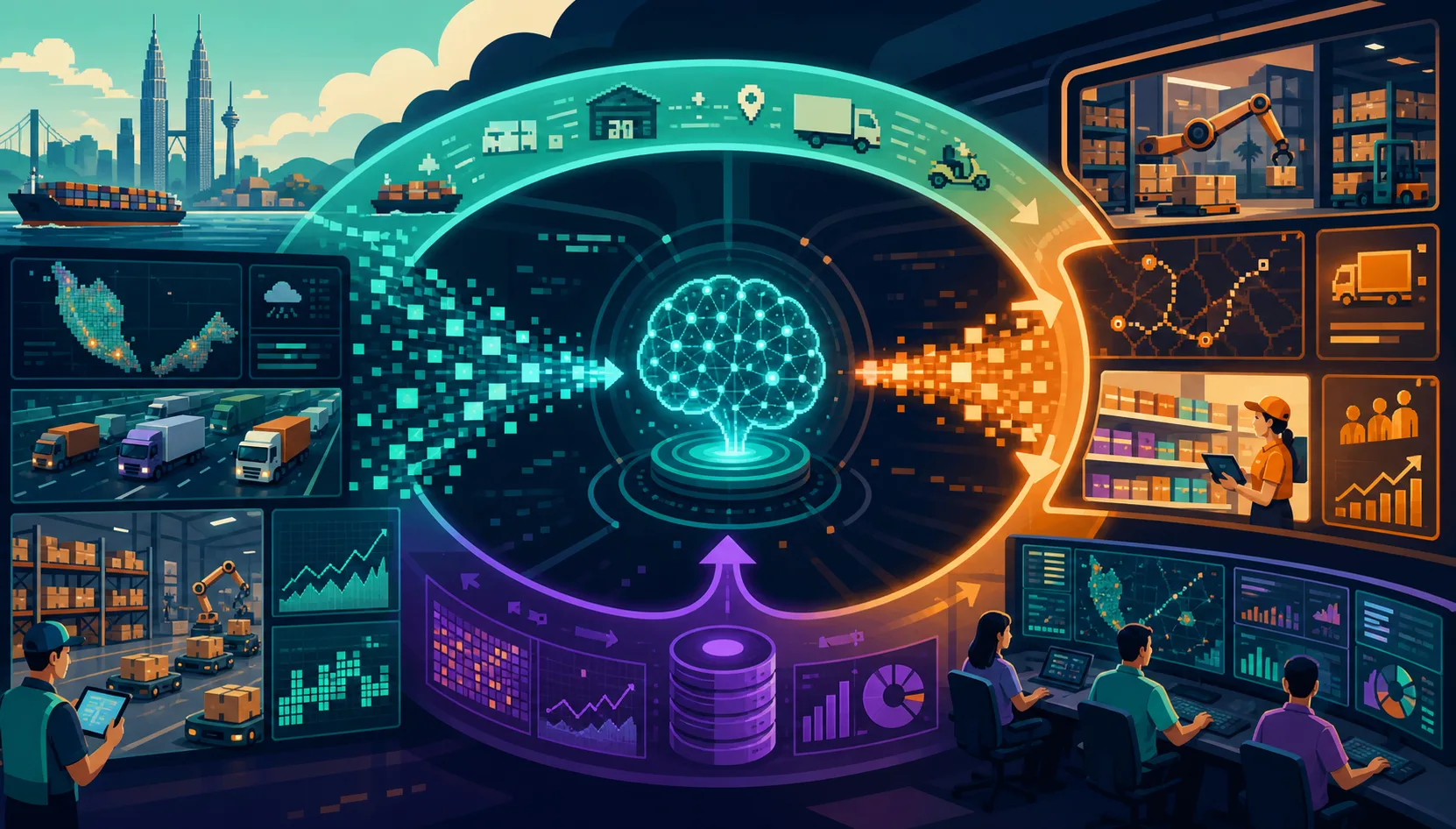
A model may understand average demand yet recommend stock that sold out minutes ago. It may know a customer profile but miss a payment hold placed today. Useful agents need a reasoning loop that combines historical context with live operational state.
Google Cloud's 2026 data architecture announcements focus on this convergence because agentic workflows act within short decision windows. The same principle applies to a smaller CRM, warehouse or booking platform.
give data business meaning
Raw access is not enough. Define canonical entities, statuses and timestamps so the agent understands whether a lead is open, an order is paid or inventory is reserved. Provide an authoritative source for each decision and make stale data visible.
- publish events when important state changes
- use stable identifiers across systems
- include freshness and source metadata
- prevent duplicate actions with idempotency keys
close the loop carefully
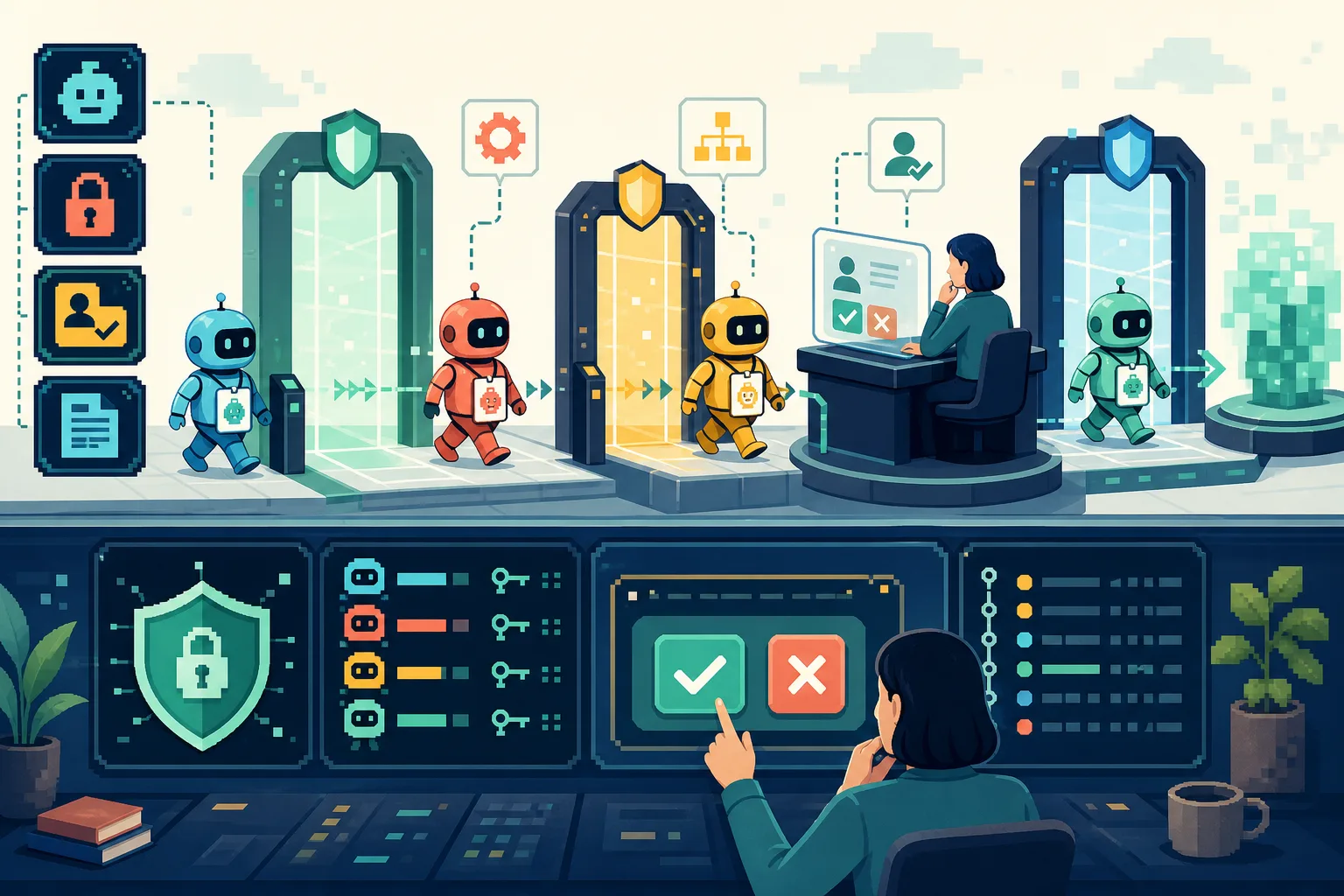
Start with recommendations based on live data, then add controlled actions. Confirm the state again immediately before committing a booking, payment or stock movement. Record both the evidence and the outcome.
Real-time architecture should solve a business timing problem. Streaming everything creates cost and complexity without improving decisions. Prioritise the events where delay or inconsistency causes measurable harm.
sources & further reading
make this practical