Vibe coding can ship a prototype fast—production still needs engineering
A practical checklist for taking AI-generated applications from an exciting demo to secure, maintainable production software.
the prototype is not the problem
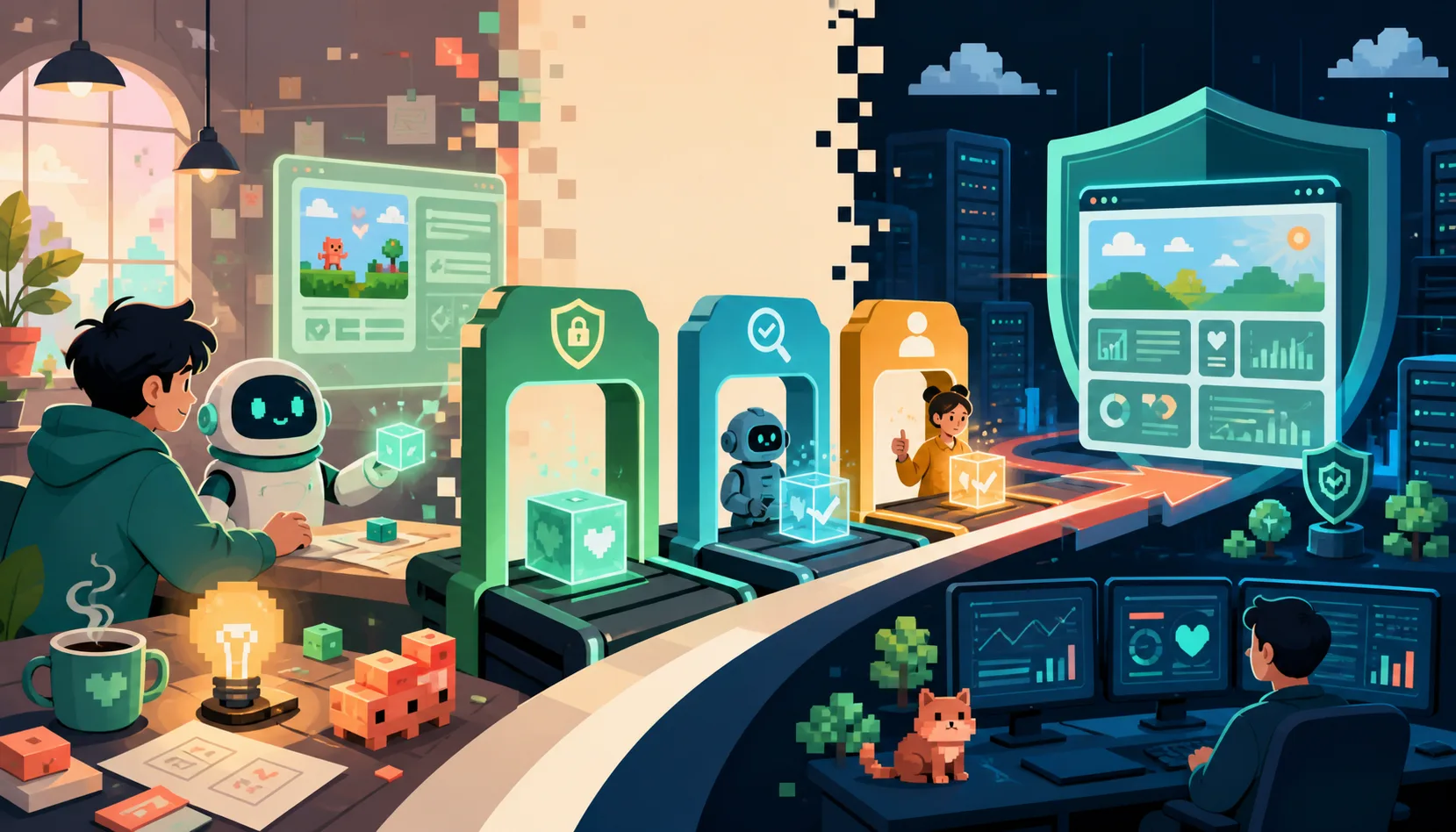
Natural-language coding tools make it easier for non-specialists and small teams to test a product idea. That is valuable. The mistake is assuming that a working interface proves the system is safe, correct or maintainable.
Google Cloud's 2026 security forecast highlights the rise of idea-native developers and the need for secure paths from generated code into production. The risk comes from invisible assumptions: broad database permissions, exposed secrets, unvalidated redirects and workflows that fail when real users behave differently from the demo.
the production gate
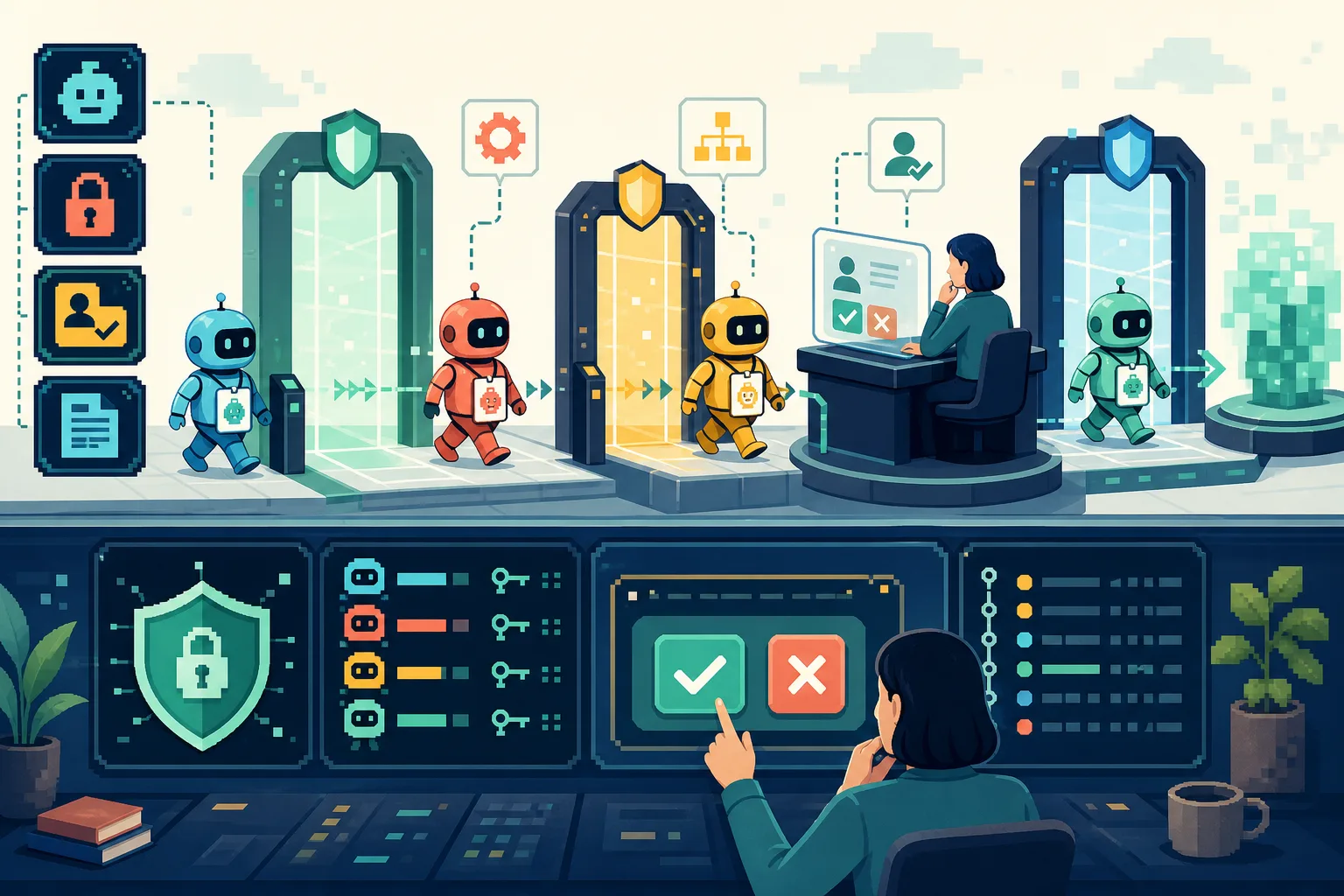
Before launch, identify the data the app handles, the roles that can act, the external services it trusts and the consequences of failure. Review generated dependencies and code paths just as you would review manually written software.
- test authentication and authorization separately
- validate every external input and webhook
- keep secrets outside client code and repositories
- add logs, backups and a rollback path
- test the real mobile and error-state journey
use AI without inheriting chaos
Ask the tool to work inside an understandable architecture, not to create a new pattern for every screen. Keep changes small, review diffs and preserve a repeatable build. A short codebase is useful only when the remaining code is clear.
Vibe coding is a productive discovery method. Engineering is the process that turns the discovery into a dependable product with defined ownership, evidence and operational support.
sources & further reading
make this practical